October, 2026Issue 04

Live BeyondAge

Your Healthspan Insider

Evidence-based insights from leading medical experts to help you live longer, healthier.

Gut Health and Longevity

The Diwali Special

Jargon Decoded

Terms worth knowing before you read on

Diet-driven dysbiosis

An imbalance in your gut bacteria caused by what you eat, where helpful microbes decline and less friendly ones take over, often after diets low in fibre and high in sugar, refined foods or alcohol.

Migrating motor complex (MMC)

Your gut’s cleaning crew. A wave of muscle contractions that sweeps leftover food and bacteria through the small intestine, which only switches on once you stop eating.

Cholecystokinin (CCK)

A hormone your gut releases when fat and protein arrive, slowing digestion so food can be broken down properly and telling your brain you are full.

Parasympathetic nervous system

Your body’s “rest-and-digest” mode, which slows your heart rate and switches on saliva, stomach acid and gut movement so digestion can do its job.
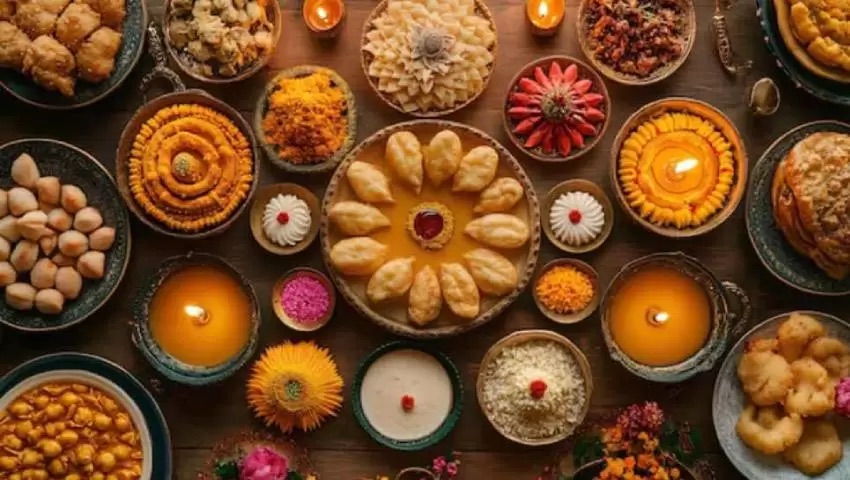
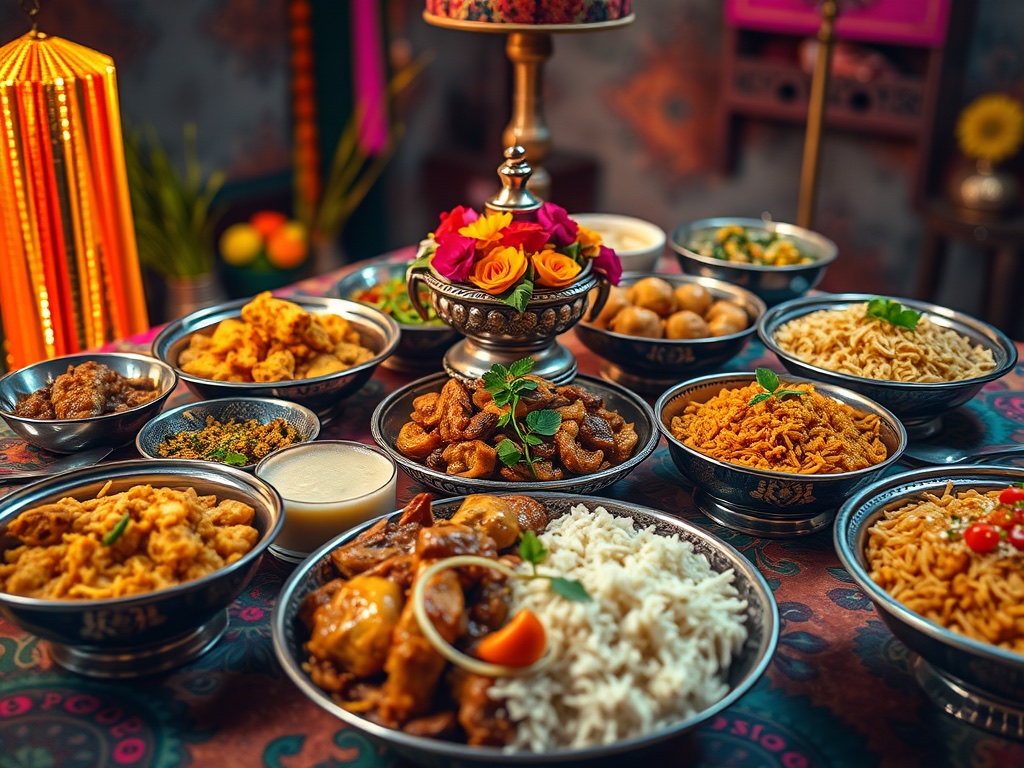
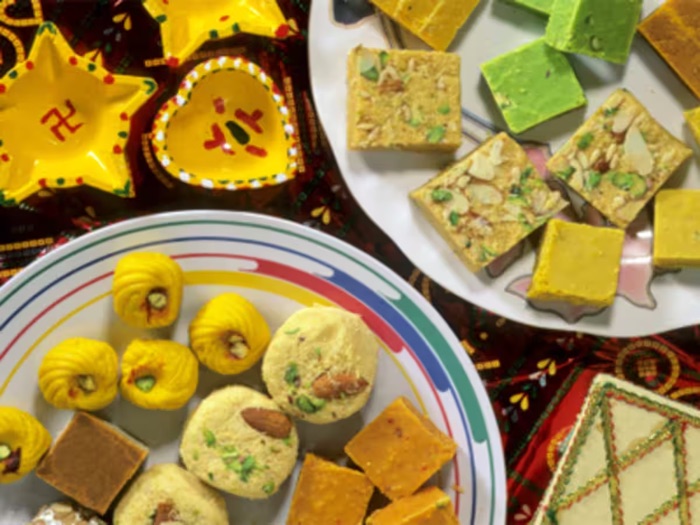
A Diwali spread of festive dishes, sweets and diyas laid out on a table

A Gut-Friendly Approach to Festive Eating

Diwali is a celebration of abundance, but it is also a stress test for the trillions of gut microbes that help regulate digestion, immunity, metabolism, and inflammation. A growing body of research links a diverse, resilient gut microbiome with slower ageing, while low microbial diversity and diet-driven dysbiosis are associated with accelerated ageing.

This festive season, our longevity and nutrition experts want you to keep two things in mind. First, feed your gut microbes well: fibre-rich vegetables, legumes, whole grains, nuts, seeds, and fermented foods support microbial diversity. Second, remember that there is no single “perfect” festive plate, as people can respond very differently to the same meal. Smarter food choices and mindful portions can go a long way in helping your gut thrive this Diwali season.

01
Cover Story
Beyond the Bloating: Keeping Digestive Health on Track This Diwali

Beyond the Bloating: Keeping Digestive Health on Track This Diwali

By Monique Jhingon · Director of Functional Nutrition & Micro-biomics

Diwali brings plenty to look forward to: tables full of favourite foods, boxes of mithai, evenings with family and friends. But how do we enjoy it all without the heaviness, bloating, heartburn or burping that sometimes follows?

Two features of festive eating help explain much of that discomfort: what is on the plate, and when it is eaten. Understanding the biology behind them can help us make more thoughtful choices while still enjoying the food, hospitality and traditions of the season.

What causes festive bloating?

Your stomach releases food into the small intestine gradually, and the intestine helps regulate that pace through signals that respond to the specific nutrients arriving.

Fat is a particularly strong signal. When it reaches the small intestine, it stimulates the release of a hormone called cholecystokinin, or CCK. CCK slows stomach emptying, pacing the delivery of food for digestion. This normal physiology helps explain why a rich meal can leave you feeling full for longer.

At a festive gathering, food is often richer than usual and tends to arrive in stages: snacks with drinks, another round of starters, a late dinner, then dessert. Eating more rich food, spread across several hours, can keep the stomach fuller for longer, resulting in festive bloating. Some bloating is a normal response to a big meal (see FAQ 4 for when it may signal something more).

The importance of meal timing

Heartburn is the burning feeling that can occur when stomach contents flow back into the oesophagus (food pipe).

During waking hours, swallowing and contractions of the oesophagus help move refluxed material back towards the stomach, and saliva helps neutralise the remaining acid. During sleep, swallowing and saliva production fall, and lying down means gravity no longer helps keep stomach contents down. Observational research has linked a gap of less than three hours between dinner and bed with more reflux symptoms.

Plan ahead

When you know dinner will be late, one option is to have your main balanced meal at home before leaving. At the party, enjoy a few selected snacks early on, rather than waiting hungry for dinner while accepting whatever comes around.

If night-time reflux is familiar, work backwards from your planned bedtime and aim to finish eating about three hours beforehand. Eating earlier is usually more practical than staying up several extra hours after a late meal and losing sleep.

When you can’t say no

Festive eating is all about relationships. When a host has spent hours preparing dinner, declining it can feel uncomfortable.

If joining the late dinner matters socially, a small serving of something you genuinely enjoy may be a workable compromise. It avoids turning the occasion into a second full dinner.

This Diwali, keep digestive comfort in mind alongside the celebrations. Enjoy your favourite foods, notice when you have had enough, and give some thought to when the evening's eating will end. A little planning can help you feel more comfortable through the festivities and when you finally turn out the lights.

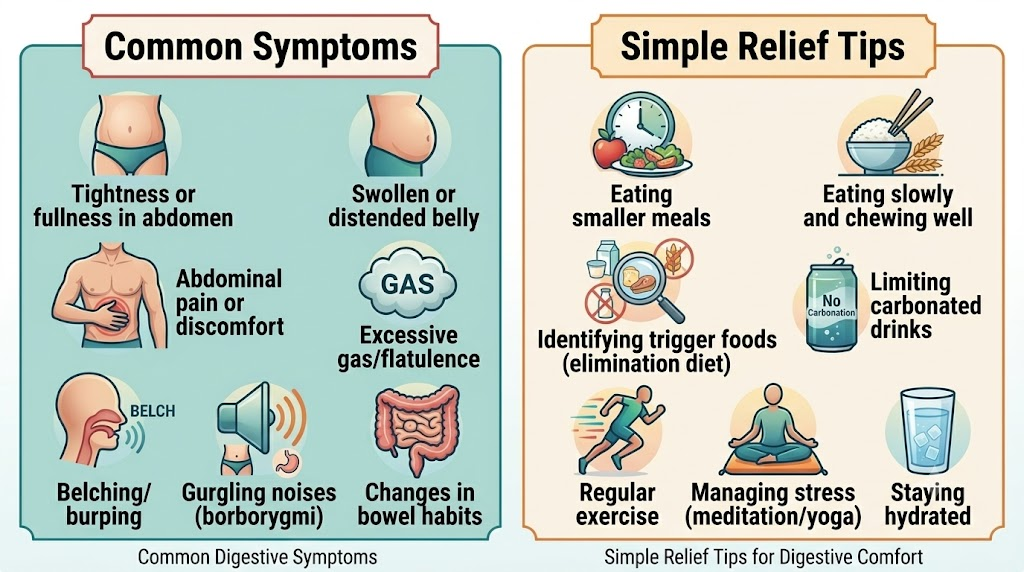
Illustrated guide to common digestive symptoms (tightness, swollen belly, abdominal pain, gas, belching, changes in bowel habits) and simple relief tips (smaller meals, eating slowly, identifying trigger foods, limiting carbonated drinks, regular exercise, managing stress, staying hydrated)
02
Featured Article
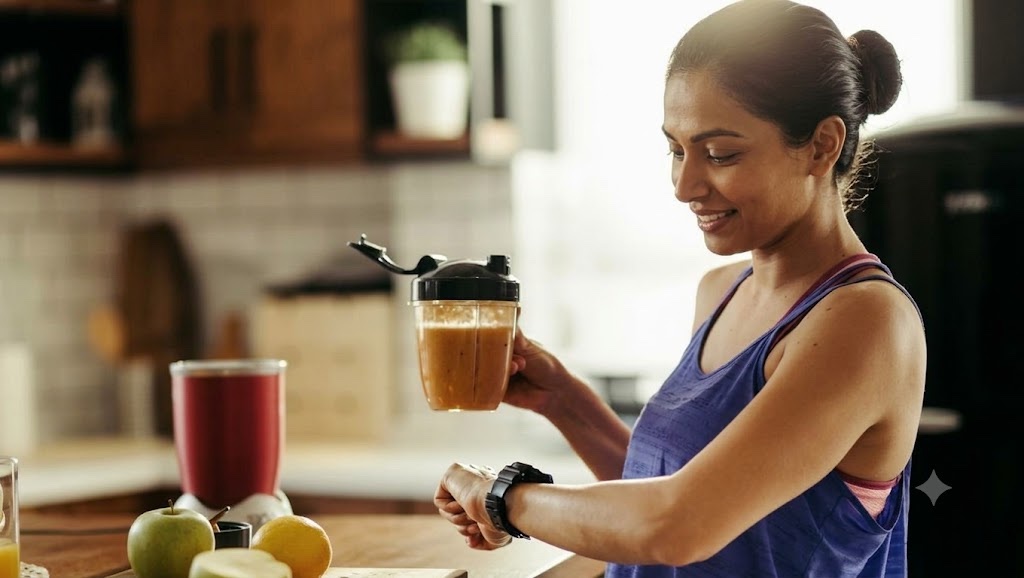
A woman in a kitchen checking her watch while holding a freshly blended drink

Fasting, the Best Post-Diwali Reset Your Gut Needs

What Science Says About Eating Windows, Cellular Repair, and Healthy Ageing

By Dr. Anshika Gupta · Longevity and Functional Medicine Consultant

Your gut never gets a day off, and during Diwali it barely gets a minute. From morning chai to the biscuit tin at midnight, from kaju katli at every doorstep to the late-night card-party spread, it is on duty, digesting, absorbing and managing the trillions of bacteria that live there. After the diyas get packed away, have you ever wondered what would happen if you gave it a break? Research offers some intriguing answers: your gut gets busy with a deep clean, a microbiome makeover and some serious repair work and the benefits ripple out to how well you age.

The clean-up begins a few hours after your last meal, when your small intestine switches on the migrating motor complex, waves of muscle contraction that roll through every 90 minutes or so, sweeping out leftover food and stray bacteria. Think of it as a housekeeping crew that only comes in once the guests have left, much like the morning after a Diwali party. Every snack, whether it’s one more piece of mithai or a handful from the dry-fruit box, sends that crew home, which is why the space between meals matters as much as the meals themselves.

With the gut swept clear, and after a fortnight of sweets, fried namkeen and late dinners, your microbes start to rearrange themselves. Fascinating studies on fasting show a rise in Akkermansia muciniphila, which prompts the body to make more protective mucus, and Faecalibacterium, which turns fibre into butyrate, the fatty acid that fuels colon cells and calms inflammation. In a recent trial, people with Crohn’s disease who ate within a set window saw both disease activity and inflammation fall.

Meanwhile, the lining gets to work on repairs. It rebuilds itself every five to ten days from stem cells in the intestinal wall. In mice, a 24-hour fast switches these cells from burning sugar to burning fat, sharpening their ability to regenerate once food returns. Human studies are still catching up, but the principle holds: rest first, then rebuild.

That same rhythm of rest and repair drives fasting’s benefits for longevity, which is why a post-festive reset is about more than bouncing back from one indulgent week.

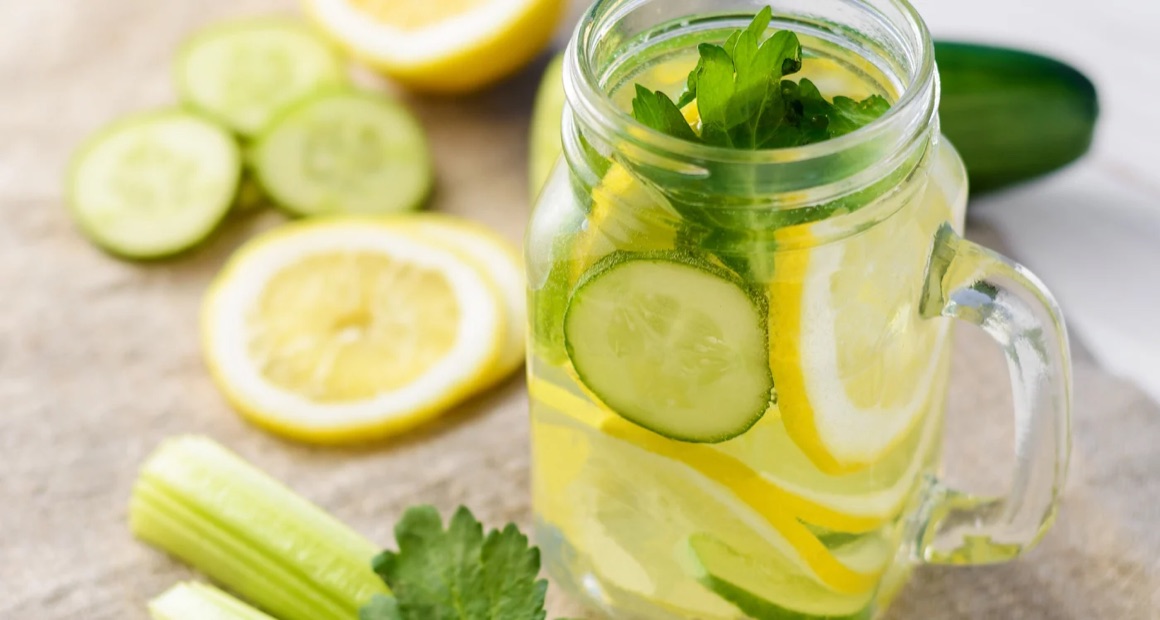
A glass jar of water infused with cucumber, lemon and mint

After 12 to 16 hours without food, insulin drops, the body turns to fat for fuel, and cells begin recycling their worn-out parts, a process called autophagy. In people, this shows up as better blood sugar and less liver fat, the very markers that predict how well we age. In a 2024 study, three monthly cycles of a five-day fasting-mimicking diet (a specially formulated low-calorie diet) lowered participants’ estimated biological age by about two and a half years.

The practical takeaway is simple: you don’t need to go hungry for days to see a difference. Start the week after Diwali by giving your gut a 12-hour overnight break, say, dinner done by 8 pm and breakfast at 8 am, then slowly work towards an 8- to 10-hour eating window, ideally earlier in the day. For most healthy adults, that is safe and surprisingly easy.

Timing is only half the story, though. What goes into that window matters just as much, so load up on fibre, plants and enough protein to keep your microbes well fed. And if you have diabetes, are pregnant, are in your teens or have a history of eating disorders, check in with your doctor before you start.

03
Featured Article

My Mindfulness Mantra this Diwali

By Dr. Vritti Loomba · Founder and CEO, BeyondAge Innovations

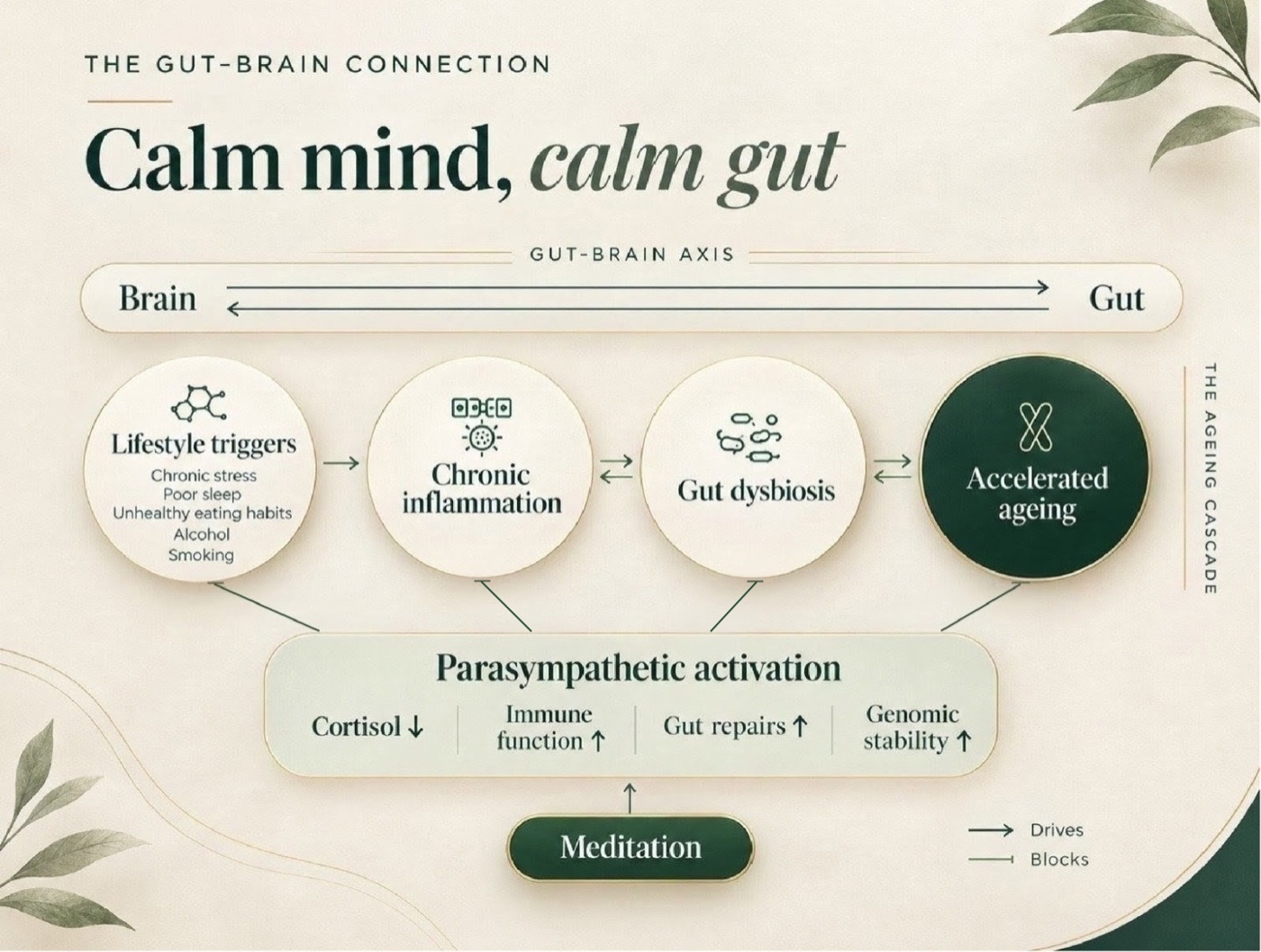
Diagram titled “Calm mind, calm gut”: lifestyle triggers (chronic stress, poor sleep, unhealthy eating habits, alcohol, smoking) lead to chronic inflammation, gut dysbiosis and accelerated ageing along the gut-brain axis, while meditation drives parasympathetic activation, which lowers cortisol and raises immune function, gut repair and genomic stability

Mindful eating and daily meditation are small, simple acts of care for a body that is already working overtime for us. Slow breathing, deep relaxation and meditation shift the body towards its parasympathetic, “rest-and-digest” state.

So, this Diwali, let’s slow down enough to savour it all: the laughter, the love, the light, and every bite in between.

04
Ask the Experts
Ask the Experts

NAD+ drips for your hangover, digestive bitters, antacids, remedies for bloating after a big meal: the festive season brings no shortage of quick fixes for the gut, and no shortage of questions about whether any of them work. Monique Jhingon and Dr. Anshika Gupta answer some of the most frequently asked questions on gut health.

Dr. Anshika Gupta

Longevity and Functional Medicine Consultant

We hate to burst the bubble, but mostly no. A 2022 review of 21 trials found no hangover remedy with any solid evidence behind it. NAD+ drips promise to clear alcohol faster, but no proper trial shows they make you feel better the next morning. There is no good trial evidence for glutathione drips either.

The real problem is that a hangover isn’t one thing. It’s dehydration, inflammation, low blood sugar, acetaldehyde, a toxic by-product of alcohol, and a terrible night’s sleep all at once, and no single pill can fix all of that. The cure that actually works is less exciting: drink less, have a glass of water between drinks, eat before you drink and sleep it off.
Think of bitters as a wake-up call for your gut. They’re herbal extracts like gentian, dandelion and artichoke, taken as a few drops before a meal. The moment that bitter taste hits your tongue, it sends a signal along the vagus nerve telling your gut to get ready: more saliva, stomach acid, bile and digestive enzymes. Your gut has its own bitter receptors too, which release hormones that help you feel full and keep blood sugar steady. Human studies are small but encouraging for bloating and heaviness after meals.

Helpful for: low appetite, sluggish digestion, and heaviness after fatty meals.

Avoid if you have: ulcers, gastritis, acid reflux, gallstones or blocked bile ducts, pregnancy.

Monique Jhingon

Director of Functional Nutrition & Micro-biomics

For occasional heartburn, an antacid is generally considered safe and can bring quick relief. It helps to be clear about what antacids actually do, though. They neutralise stomach acid. They do not help you digest a heavy meal, and aluminium-containing antacids can slow stomach emptying.

Stomach acid is part of how digestion works. It activates pepsin, the enzyme that begins breaking down protein, and it supports the absorption of nutrients such as iron, vitamin B12 and calcium. It is also a first line of defence against microbes in food. When acid is neutralised, protein digestion in the stomach can become less efficient. Some antacids, particularly those containing aluminium or calcium, are also linked to slower bowel movements and constipation.

If you find yourself reaching for an antacid after most festive meals, treat that as a signal rather than a solution. Smaller portions and an earlier dinner may help more. Frequent or ongoing heartburn deserves a conversation with your doctor, as does any long-term use of acid-reducing medicines.
Usually, yes. A large, rich meal stays in the stomach longer, and the gut bacteria produce gas as they ferment certain foods. Some fullness and bloating after a festive feast is an expected response. It typically eases within a few hours and is gone by the next day. Eating slowly and taking a gentle walk after the meal may help.

Bloating is worth paying closer attention to when it:
  • returns regularly, including after ordinary meals
  • comes with abdominal pain that changes with bowel movements
  • comes with a change in how often you go or in what your stools look like
  • persists for weeks rather than days
These patterns can be linked to irritable bowel syndrome (IBS), food intolerances such as lactose intolerance, or other gut conditions such as small intestinal bacterial overgrowth (SIBO) or coeliac disease. If bloating feels persistent or out of character for you, speak to your doctor or the BeyondAge team, who can help work out what may be behind it.
05
Who Wants Barfi?

Who wants Barfi?

Try out this homemade gut healthy barfi recipe. It’s one of Dr. Anshika’s Diwali favourites.
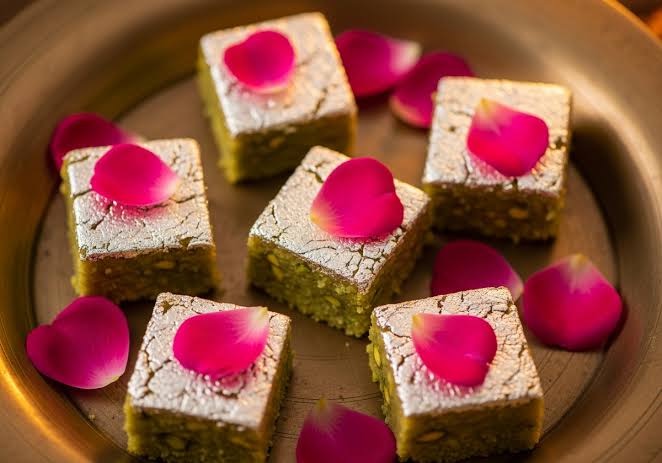
Almond pistachio date barfi squares topped with rose petals

Almond Pistachio Date Barfi

No added sugar; sweetened only with dates. Makes 12 pieces.

INGREDIENTS

  • 200 grams soft pitted dates (Medjool)
  • 70 grams almonds
  • 70 grams pistachios, plus a few slivered for topping
  • 1 tablespoons ghee
  • ¼ th teaspoons cardamom powder
  • 1 pinch saffron (optional)

STEPS

  1. Toast the nuts: Dry-roast 70 grams almonds and 70 grams pistachios, plus a few slivered for topping on low heat until fragrant. Cool, then pulse to a coarse crumb.
  2. Make date paste: Blend 200 grams soft pitted dates (Medjool) to a thick paste. Soak in warm water for 10 minutes first if they are dry.
  3. Cook the paste: Warm 1 tablespoon ghee in a pan, add the date paste and stir on low until glossy and it leaves the sides.
  4. Combine: Stir in the nuts, 0.3 teaspoons cardamom powder and 1 pinch saffron (optional). Mix well for 2 minutes.
  5. Set and cut: Press into a greased tray about 1 cm thick, top with slivered pistachios, chill until firm, then cut into 12 squares.

NOTES

Nutrition per piece (approx.): 125 kcal, 15 g carbs (12 g natural sugar), 2.5 g fibre, 2.5 g protein, 7 g fat. Estimated GI: low to moderate (~40–45); glycaemic load ~5 per piece (low). Store refrigerated for up to 2 weeks.

06
Inside the Longevity Lab
Latest Research

Inside the Longevity Lab

Breakthrough research studies shaping the future of healthspan
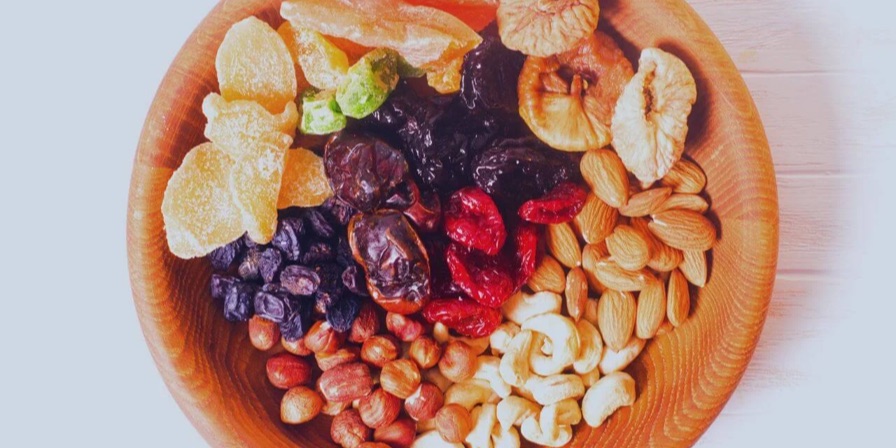
A wooden bowl of dried fruit and nuts

Your gut is meant to change as you age

A study of the gut bacteria of more than 9,000 adults found that from mid-to-late adulthood, the gut communities of people who were ageing well became steadily more unique.

In other words, a healthy microbiome at 70 does not look like a healthy one at 30, because it keeps evolving.

Treat your gut as something that keeps growing with you. A varied diet, with different vegetables, dals, grains and nuts through the week, gives it more to work with than eating the same few things on repeat.

View Study

Source: Nature Metabolism (2021)

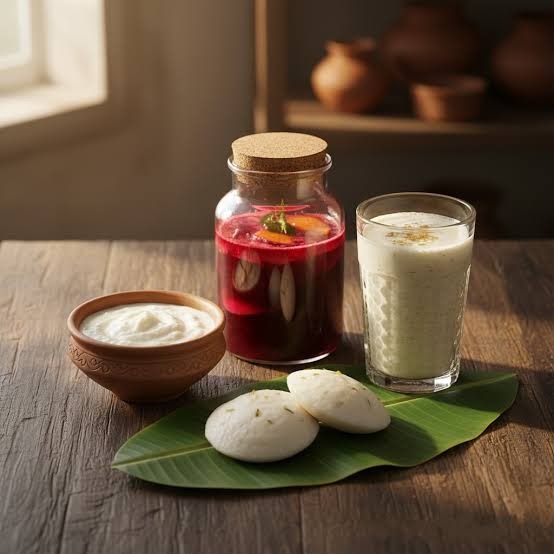
Fermented foods: curd, kanji, idli and chaas

Fermented foods calmed inflammation within ten weeks

Stanford researchers randomly assigned healthy adults to one of two diets for ten weeks. One group ate more high-fibre foods. The other ate about six servings of fermented foods a day.

In the fermented-food group, the variety of gut bacteria rose steadily and 19 inflammatory proteins in the blood fell.

A simple change in diet can reliably reshape the microbiome in healthy people. Indian kitchens already have plenty of fermented food options, with live cultures, such as dahi, chaas, kanji. Consume one or two of them daily.

View Study

Source: Cell (2021)

A smiling woman holding a glass of water

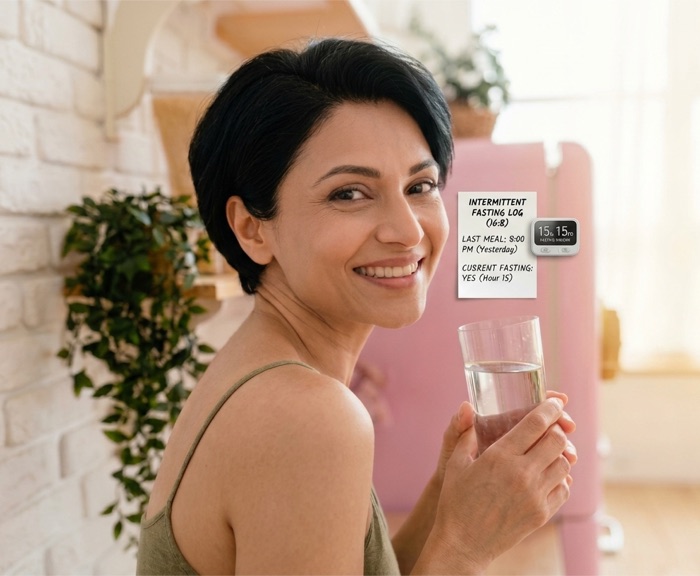
An earlier eating window beat a later one when it comes to fasting

Researchers compared three groups of healthy young adults. One group ate only between 6 am and 3 pm. A second ate only between 11 am and 8 pm. The third ate as usual.

After five weeks, compared with usual eating, only the early group saw lower fasting blood sugar, lower weight and body fat, reduced inflammation and more diverse gut bacteria.

When you eat may matter as much as how long you fast. A proper breakfast, a main meal at lunch and a light, early dinner is a practical way to start.

View Study

Source: Nature Communications (2022)

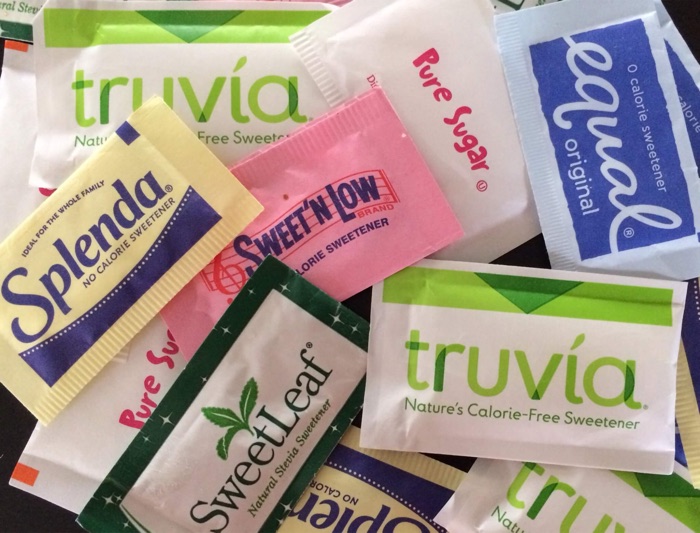
Packets of artificial sweeteners

Sugar-free does not mean gut Neutral

For two weeks, 80 out of 120 study volunteers who never used artificial sweeteners, took sachets of saccharin, sucralose, aspartame or stevia.

Every sweetener changed the bacteria in the gut and mouth. Saccharin and sucralose also worsened the body’s blood sugar response as a group.

Sugar-free mithai is not automatically the gut-friendly choice. Check the label for sucralose or saccharin. Often the better option is one small piece of the real thing, enjoyed after a meal.

View Study

Source: Cell (2022)

A person walking on a path in running shoes

Two to five minutes on your feet makes a difference

This meta-analysis of seven laboratory studies compares long stretches of sitting with short breaks of standing or light walking.

The breaks lasted only two to five minutes each and were spread across the day, including after meals. Both kinds of break lowered blood sugar compared with uninterrupted sitting. Light walking also lowered insulin; standing alone did not.

The key message: the body handles a meal better when you don’t sit through the hours that follow.

View Study

Source: Sports Medicine (2022)

07
Curiosity Corner
Curiosity Corner

Longevity Myth Busters

Separating science from fiction in the quest for a longer, healthier life

Myths vs Facts
Myth 1

“I'm switching to sugar-free mithai this Diwali. No sugar means I can eat as much as I want, guilt-free.”

Fact

Sugar-free doesn’t always mean guilt-free. Take the sugar out of a barfi and you’re still left with khoya, ghee and nuts, so the calories hardly change.

A platter of Indian mithai including barfi and laddoos
Myth 2

“The festive season is for family, food and celebration, not the gym. I’ll restart my workouts once Diwali is over.”

Fact

Movement helps keep digestion moving. Physical activity is linked to better gut transit and a more diverse gut microbiome.

Myth 3

“I only buy packaged mithai, paneer and ghee from trusted halwais or big brands, so I'm not worried about adulteration.”

Fact

Sadly, a familiar label isn’t a guarantee,FSSAI flags ghee, khoya and paneer as festive-season favourites for adulterers.

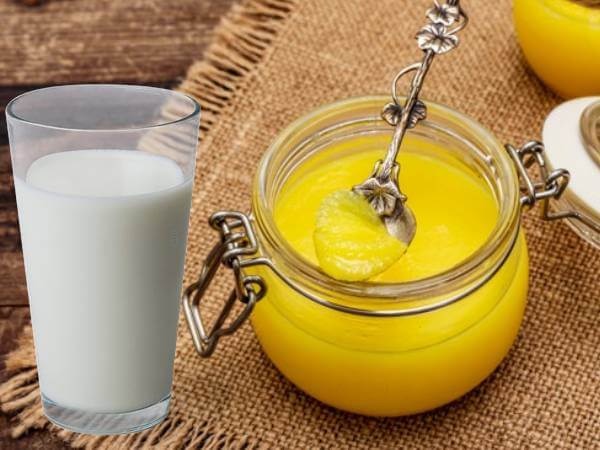
A glass of milk beside a jar of golden ghee
Myth 4

“I can catch up on sleep after the festive season is over. I don’t want to miss any late-night parties and card games.”

Fact

Lost sleep can’t be fully “banked” back.

Myth 5

“Fried food is only fattening. I'll burn off the extra pakoras and puris at the gym.”

Fact

Your treadmill can burn calories, but it can’t undo damage caused by oxidised oil. Every time reheated oil is used in cooking and frying, it loses its antioxidants and builds up acrylamide, trans fats and peroxides.

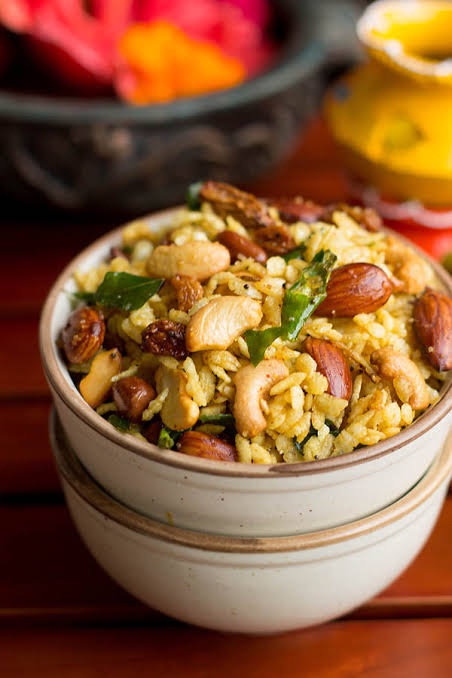
A bowl of fried Indian snack mix with nuts and lentils
Myth 6

“A little extra mithai and drinking during Diwali season can’t be too bad.”

Fact

One sweet or one drink is rarely the issue. The festive season runs for weeks, though, and “a little extra” at each gathering adds up.

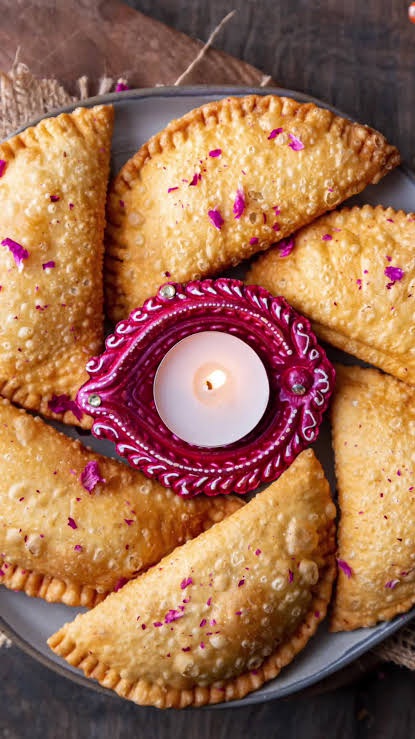
Gujiya pastries arranged around a lit diya

Have a Myth to Bust?

What health or longevity myths have you heard? Share your questions with us and we'll feature them in future newsletters to help our community separate fact from fiction.

contactus@beyondage.health

Your curiosity drives our content

08
Longevity Play of the Day
Daily Action

Longevity Play of the Day

A simple, science-backed habit you can implement today
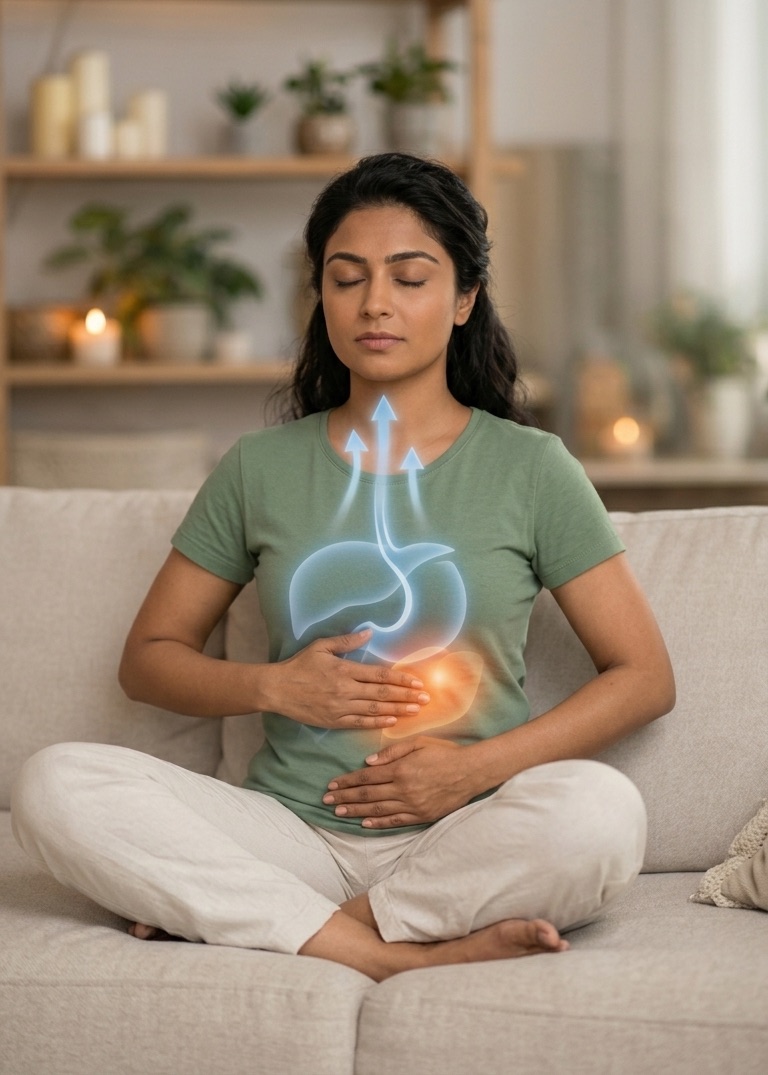
A woman sitting on a sofa with her eyes closed, practising belly breathing
🧘Breathe Your Way to Better Digestion

After each meal, take five slow belly breaths with long exhales.

Belly Breathing

Place one hand on your chest and one on your belly. Slowly inhale through your nose for 4 seconds, letting your belly rise while your chest stays mostly still (not completely still). Hold for a brief pause. Then exhale gently through your mouth for 6 seconds, letting your belly fall. Repeat for 5-10 rounds, keeping the breath slow and smooth. If you’re doing it right, the hand on your belly moves more than the one on your chest.

Slow breathing nudges the body towards ‘rest and digest’ mode, priming saliva, stomach acid and enzymes. In a Mayo Clinic trial, belly breathing after meals cut reflux episodes by over 80%.

Calm body means better digestion.

Want more longevity insights like this? Subscribe to our newsletter or invite a friend to subscribe.

Credits

Content and Design by Sakshi Ahluwalia

Gut Health and Nutrition content by Monique Jhingon and Dr. Anshika Gupta

For feedback or inquiries, reach out to us at

contactus@beyondage.health

Newsletter • Issue 04
© 2026 Live BeyondAge. All rights reserved.