September 27, 2026Issue 03

Live BeyondAge

Your Healthspan Insider

Evidence-based insights from leading medical experts to help you live longer, healthier.

Obesity and Healthspan

Part 2: What Actually Works

Jargon Decoded

Terms worth knowing before you read on

MC4R (Melanocortin-4 Receptor)

A brain switch that helps control hunger and how much energy your body burns.

Leptin

A hormone made by fat cells that tells your brain when you have enough energy stored, helping you feel full.

Cortisol

Your main stress hormone; when it stays high for long, it can increase cravings and promote belly fat storage.

Gut Microbiome

The community of tiny living microbes in your digestive tract that influences appetite, blood sugar, and inflammation.
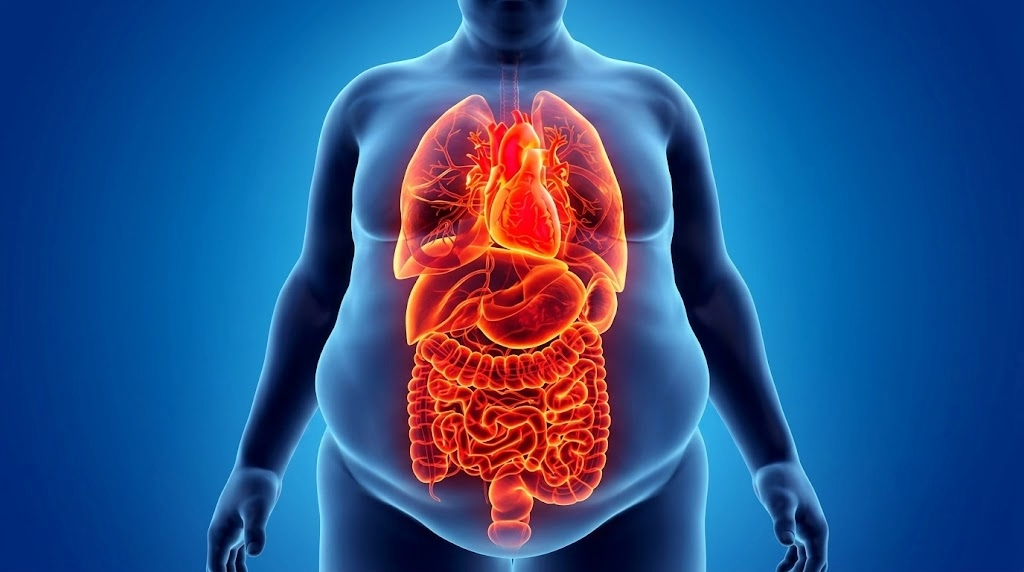
Human body illustration highlighting metabolic systems involved in weight regulation

Understanding the Biology behind weight loss

Obesity is a biological state shaped by hormones, brain circuits, stress, and the microbes in your gut. That means the usual “eat less, move more” advice often fails, not because you lack discipline, but because it ignores the systems actually driving hunger, cravings, and fat storage.

In this issue we translate four decades of clinical experience and current research into tools you can use now: how to work with your biology instead of against it, where the gut microbiome fits into real-world weight loss, what to expect from GLP‑1 medications over time, and small, evidence-backed changes, like the order you eat your food, that can shift your metabolic trajectory.

01
Cover Story
40 Years of Managing Obesity: Here’s What Actually Works

40 Years of Managing Obesity: Here’s What Actually Works

By Dr. Ambrish Mithal · Senior Advisor - Metabolic, Hormone & Longevity Medicine

Here’s a sentence I would happily retire: “Just eat less and move more.”

I’ve spent forty years in endocrinology watching this advice fail perfectly disciplined people, not because they lacked willpower, but because obesity isn’t one problem. It is a common endpoint for several distinct biological processes. A patient whose brain never hears “you’re full” needs a different fix than one whose cortisol is through the roof, who needs a different fix again from someone whose sleep is wrecked.

Why the weight goes on

Illustration of the hypothalamus and appetite regulation

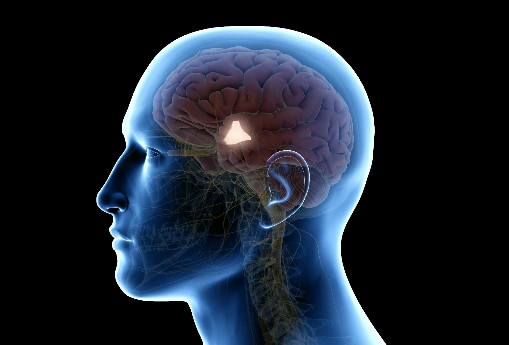
Your brain has a fat thermostat, and in some people it’s miscalibrated. Deep in the hypothalamus, a receptor called MC4R constantly checks how much fat you’re carrying, using a hormone called leptin as its messenger. More fat, more leptin, less hunger: that’s the system. But in many people with obesity, a genetic variant garbles that message. The brain never gets the message that the stomach is full. Twin studies put obesity’s heritability at 40-70%, on par with height. Some people are simply hungrier at the same calorie intake, by biology, not by choice.

Then there’s the food itself. Ultra-processed food is engineered in labs, to hit what scientists call the “bliss point”: the exact ratio of sugar, fat, salt and texture that makes you keep eating past full. It’s low in fibre and protein that trigger fullness, and it’s gulped down fast, racing past the 20 minutes your gut needs to release its own “stop eating” hormones. In one NIH trial, people eating an ultra-processed diet, matched on paper for sugar, fat and calories, still ate 500 extra calories a day.

Sleep loss also changes appetite. After only a few nights of restricted sleep, people eat more the following day. What’s worse is, it specifically makes you crave carbs and junk. Someone running on five hours of sleep is fighting their own biochemistry when it comes to their willpower.

Sleep tracker device monitoring sleep patterns

Stress fattens you in a very specific place. Chronic stress keeps cortisol elevated for months. Visceral fat, the fat around your organs, has far more cortisol receptors than fat elsewhere, so it soaks this up and grows. Cortisol also drives cravings and blocks fat-burning. And because visceral fat itself releases inflammatory signals that keep the stress axis switched on, this becomes a loop that feeds itself.

And sometimes it’s not about behaviour at all. Certain kinds of medications such as antidepressants, antipsychotics and steroids cause weight gain as a direct drug effect. Additionally, some environmental chemicals interfere with fat-storage hormones too. The landmark SELECT trial (NEJM, 2023) followed over 17,000 people with heart disease and excess weight, and found that treating obesity itself, pharmacologically, cut major cardiac events by 20% in three years.

What actually works

  • Prioritise protein and fibre at every meal. As a general guide, aim for roughly 25–30 g of protein at each main meal and at least 30 g of fibre across the day. Individual requirements vary according to body size, age, activity level, health goals and medical history. Both protein and fibre support satiety and appetite-regulating gut hormones. Eating vegetables and protein before rice or bread can help moderate the post-meal glucose response and keep you satisfied for longer. It’s a simple way to work with your appetite biology rather than relying on willpower alone.
  • Slow down, don’t ban. You don’t need to swear off every packaged food forever. Swap just one ultra-processed meal a day for a whole-food version, and eat it slower.
  • Aim for seven to eight hours of sleep a night. This is often the fastest lever in the whole weight loss toolkit. In patients whose weight tracks their sleep debt, I’ve watched cravings and appetite shift within two weeks of simply fixing sleep timing.
  • If it’s cortisol, calorie-counting alone won’t fix it. Daily movement, breathing practices, and closing your sleep debt lower cortisol exposure and, over months, specifically shrink visceral fat. Cutting calories in a high-cortisol body often backfires, because the hormonal drive to store fat is still switched on.
  • Ask about your medications. If a prescription is driving your weight gain, that conversation with your doctor about alternatives should happen on day one.
  • Don’t rule out medication for yourself. For people with a strong genetic or hormonal drive that lifestyle change alone can’t fully override, GLP-1 receptor agonists work by restoring the exact satiety signal that’s blunted in the brain: they’re not a shortcut, they’re a correction.

The real takeaway: obesity isn’t a character flaw dressed up as a medical condition. It’s several different conditions that happen to have identical downstream effects. The answer lies in finding out the root cause for yourself, and then treating it.

02
Featured Article
It Was Never Just About the Fat Cells

It Was Never Just About the Fat Cells

By Monique Jhingon · Director of Functional Nutrition & Micro-biomics

For decades we’ve treated obesity as a simple equation: too many calories in, too few out. Eat less, move more. But that framing misses an entire ecosystem.

Trillions of microbes in your gut help shape how food is processed, how hungry you feel afterwards, and how your metabolism responds to what you eat. In obesity, this community often shifts. Diversity declines. Beneficial microbial functions are lost. And the chemical messages produced by the microbiome begin to change.

These microbial metabolites influence appetite, blood sugar regulation, inflammation, and energy balance. Weight gain isn’t only about what you eat, it’s also about what your inner ecosystem does with that food.

This matters for longevity. The same microbial patterns associated with obesity are also linked to chronic inflammation and accelerated biological aging. Which is why, increasingly, the most useful question isn’t “how many calories?” but “what is this person’s microbiome doing with those calories?”

A small place to start: feed your microbes. Aim for 30 different plant foods a week. Vegetables, fruits, legumes, nuts, seeds, herbs and spices all count. The wider the variety on your plate, the richer and more resilient your microbiome becomes.

Frequently Asked Questions

It can help, but it’s not a standalone fix. A more diverse, well-fed microbiome may support better appetite signalling, blood sugar regulation and lower inflammation, all of which can make weight regulation easier. Think of it as improving the terrain rather than chasing a number on the scale.
Usually not as a first step. The single most powerful lever is dietary diversity, especially fibre-rich plants, which feed the microbes you already have. Probiotics can play a role, but they are most useful when targeted to a specific, tested need rather than taken blindly.
Because identical food meets very different internal ecosystems. Differences in microbial composition, metabolism, muscle mass and inflammation mean the same meal can be processed and stored quite differently from one person to the next. This is one of the reasons nutrition works best when it is personalised.
The patterns associated with obesity, such as chronic low-grade inflammation, metabolic dysfunction and reduced microbial diversity, are the same ones linked to accelerated biological aging and earlier chronic disease. So, obesity tends to shorten not just lifespan, but healthspan: the years lived in good function.
03
Ask the Experts
Ask the Experts

GLP-1s: The New Wonder Drugs for Weight Loss and Diabetes

More From Our Experts: GLP-1 Drugs

Dr. Arvinder Soin & Dr. Ambrish Mithal answer the most searched questions on obesity medication and longevity

In Part 1’s Ask the Experts, Dr. Arvinder Soin and Dr. Ambrish Mithal covered the essentials of GLP-1 therapy: how it works, how much weight it helps you lose, and how safe it is in the short term. But the questions we hear don’t stop there. In this instalment, our experts answer more questions patients ask about just as often: Can GLP-1s protect against dementia? Do they help with alcohol cravings? Are they truly safe to stay on for years? And how do you access these medications in India?

Dr. Arvinder Soin

Founder and Chairman, BeyondAge Innovations

Not as a treatment for existing Alzheimer’s, no. Earlier observational studies had linked GLP-1 use to a lower dementia risk, which generated real excitement. But the rigorous phase 3 EVOKE and EVOKE+ trials, covering nearly 4,000 patients, showed that oral semaglutide does not slow disease progression once Alzheimer’s is clinically established. These drugs likely support brain health indirectly, through better metabolic and vascular function, but they are not yet a treatment once the disease has taken hold.
Early evidence says yes, but it’s not yet a recommended use. Clinical trials show semaglutide reduces alcohol craving, intake, and heavy-drinking days compared with placebo, with early signals for nicotine as well. It is a genuinely encouraging signal, but larger, dedicated trials are needed before this becomes a widely accepted or specifically recommended use.

Dr. Ambrish Mithal

Senior Advisor - Metabolic, Hormone & Longevity Medicine

Yes, based on the evidence available so far. Semaglutide has been used in the US market since 2018 and tirzepatide (Mounjaro) since 2021–2022, and no significant long-term safety signals have emerged with either drug in that time, provided appropriate clinical precautions are followed.

Two effects are worth knowing about, though neither is specific to these drugs:

  • Any method of rapid weight loss, whether GLP-1 medication, bariatric surgery, or diet and lifestyle alone, causes meaningful muscle loss. This is a consequence of losing weight quickly, not a drug side effect. Adequate protein intake and regular strength training reduce, though don’t eliminate, this muscle loss.
  • Rapid weight loss can also trigger gallstones by any method. This too is managed as a known consequence of fast weight loss rather than treated as an unusual drug reaction.

Outside of these two weight-loss-related effects, drug-specific long-term side effects remain uncommon.

Both are available in India by prescription from a qualified doctor. Tirzepatide is sold as Mounjaro. Semaglutide is available as Ozempic and Wegovy (Novo Nordisk, the originator) and as oral semaglutide, though the oral form is used mainly for diabetes rather than weight loss.

At least ten generic versions of injectable semaglutide are also approved and available in India, and their entry has brought down the cost of treatment considerably compared to the originator brand.

04
Inside the Longevity Lab
Latest Research

Inside the Longevity Lab

Breakthrough research studies shaping the future of healthspan

Thinking of stopping your weight loss drug? Here’s what to expect

This study tracked 327 participants for 52 weeks after stopping Semaglutide. By week 120 they had regained roughly two-thirds of the weight they had lost.

This research reveals something important: obesity is a chronic condition, much like managing blood pressure or cholesterol. GLP-1 medications are powerful tools, but they only work while you’re taking them. The real opportunity? Use the medication’s appetite-suppressing window to build sustainable eating habits, establish a regular exercise routine, and strengthen your body. These habits are what keep the weight off after you stop the drug.

View Study

Source: Diabetes, Obesity and Metabolism (2022)

The Simple Meal Trick That Cuts Your Blood Sugar Spike by 73%

Pilot study of 11 adults with type 2 diabetes (mean age 54, BMI 32.9) tested whether the order in which food is consumed affected blood sugar and insulin levels over 120 minutes after meals. Eating vegetables and protein first significantly reduced peak blood sugar and insulin spikes compared to carbohydrates first.

Eating vegetables and protein before carbohydrates reduced blood sugar spikes by 73% and insulin surges by 48% in type 2 diabetics. This “carbohydrate-last” approach slows carbohydrate absorption without dietary restriction. For prediabetes or blood sugar management, it’s a cost-free, immediately actionable strategy that works alongside medications and may reduce insulin demand over time.

View Study

Source: Diabetes Care (2015)

05
Curiosity Corner
Curiosity Corner

Longevity Myth Busters

Separating science from fiction in the quest for a longer, healthier life
Myths vs Facts
Myth

“If you’re not overweight, your metabolism is fine.”

Fact

Not necessarily. A person at a ‘normal’ weight can still carry visceral fat, insulin resistance and chronic inflammation, sometimes referred to as being metabolically unhealthy despite a normal BMI. This is exactly why deeper diagnostics matter more than the number on the scale.

Myth

“Cutting out whole food groups such as carbs, dairy or gluten, is the fastest way to better health.”

Fact

Restriction may shift the scale short-term, but it often narrows dietary diversity and diversity is precisely what a resilient microbiome needs. For most people, adding a wider range of food groups, plants and fibres does more for long-term metabolic health than eliminating entire categories of food unnecessarily.

Have a Myth to Bust?

What health or longevity myths have you heard? Share your questions with us and we'll feature them in future newsletters to help our community separate fact from fiction.

contactus@beyondage.health

Your curiosity drives our content

06
Longevity Play of the Day
Daily Action

Longevity Play of the Day

A simple, science-backed habit you can implement today

🍚Give Your Carbs a Cool-Down

Cook rice or potatoes, cool them in the refrigerator, and use them in a meal the following day, cold or reheated in the case of rice.

Cooling changes some of the digestible starch into resistant starch: a type of fibre that reaches the large intestine, where it can be fermented by gut bacteria. It may also produce a gentler blood-sugar response than the same food eaten freshly cooked and hot. Human trials have demonstrated this effect with both cooled rice and potatoes. Rice study, potato study

It doesn’t make carbohydrates “calorie-free,” but it is a simple way to make an everyday portion of rice or potatoes more microbiome- and metabolism-friendly.

Cook. Cool. Enjoy tomorrow. A small change in preparation that may change how your body and your microbes handle the meal.

Want more longevity insights like this? Subscribe to our newsletter or invite a friend to subscribe.

Credits

Content and Design by Sakshi Ahluwalia

Nutrition Content by Monique Jhingon

For feedback or inquiries, reach out to us at

contactus@beyondage.health

Newsletter • Issue 03
© 2026 Live BeyondAge. All rights reserved.