September 08, 2026Issue 03

Live BeyondAge

Your Healthspan Insider

Evidence-based insights from leading medical experts to help you live longer, healthier.

Obesity and Healthspan

Part 1: Understanding the Basics

Understanding the science of optimizing your healthspan

Jargon Decoded

Terms worth knowing before you read on

MASLD

MASLD or Metabolic Dysfunction-Associated Steatotic Liver Disease is the medical term for fatty liver disease caused by obesity and metabolic dysfunction.

GLP-1 Receptor Agonists

Medicines like semaglutide and tirzepatide that mimic a gut hormone that reduces appetite, slows digestion, and improves blood sugar control.

Visceral Fat

Fat stored deep inside the abdomen around the organs.

Insulin Resistance

When the body's cells stop responding to insulin properly, forcing the pancreas to overproduce it. Left unaddressed, it progresses to type 2 diabetes and MASLD.
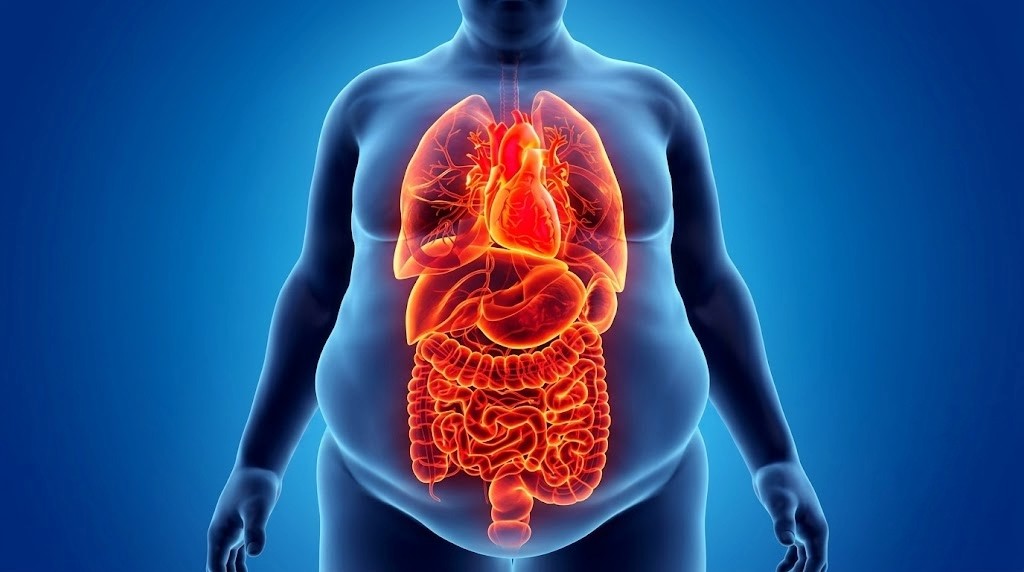
Human body showing metabolic organs

More Than a Number on the Scale

Key Insight: Obesity is a metabolic signal, not just a number on the scale

Obesity is not a single condition, and it is certainly not just a matter of excess weight. It is a metabolic signal, often silent for years, that tells us when fat storage, insulin signalling, inflammation, liver health and aging biology have begun to drift off course. The scale may show one number, but the body is telling a far more complicated story.

That complexity is exactly why this issue matters. Across these pages, you will learn about the most effective weight management strategies, see why GLP-1 drugs raise as many questions as they answer, and understand how the gut microbiome quietly shapes appetite, inflammation and long-term healthspan. To understand obesity is to understand the early biology of chronic disease, and the chance to change it.
01
Cover Story
Obesity-driven Fatty Liver Disease Predicts Your Healthspan

Obesity-driven Fatty Liver Disease Predicts Your Healthspan

By Dr. Arvinder Soin · Founder and Chairman, BeyondAge Innovations

In thirty years of liver surgery, I have learned that this organ has no early-warning system. It has no nerve endings to speak of, so it can be quietly overwhelmed for a decade before a single symptom appears. That silence is exactly why metabolic dysfunction-associated steatotic liver disease, or MASLD, has become one of the biggest hidden threats to healthspan in urban India. A pooled analysis of over 40,000 South Asians found MASLD prevalence at 47.1 percent in urban settings, more than double the 18.5 percent seen in rural populations. Indian cohort data separately puts national prevalence near 38.6 percent. The gap between city and village is not genetic. It is diet, desk jobs, and distance walked, and it is rewriting how long our urban patients stay well.

What fifteen years of bad habits can do

When I open a patient with advanced cirrhosis from fatty liver disease, I am rarely looking at a recent problem. I am looking at roughly fifteen years of compounding metabolic strain: the sedentary job taken in the thirties, the sugar-heavy diet normalised through the forties, the weight that crept up one kilogram a year until it became thirty. The liver absorbs that slowly and without complaint, converting excess glucose and fat into stored fat within its own cells. By the time a patient is referred to me with cirrhosis or liver cancer from this route, the decisions that caused it were made a decade and a half earlier, by someone who felt completely fine at the time. That lag is the single hardest thing to communicate to patients in their thirties and forties who are, by their own account, not sick.

How obesity becomes liver disease

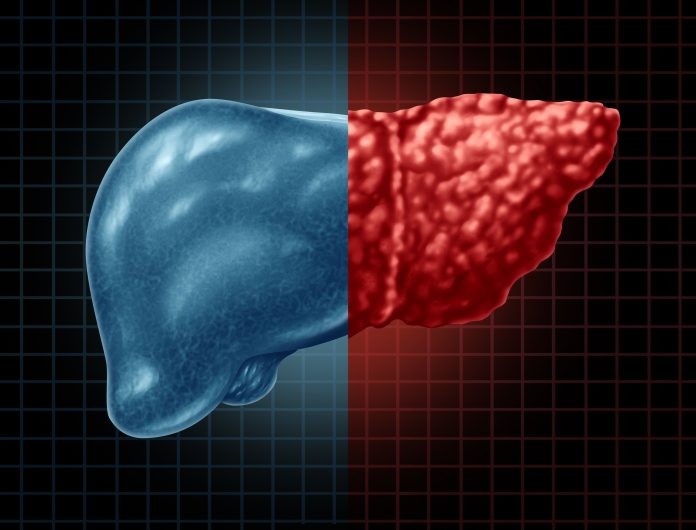
The link is direct and mechanical, not incidental. Central obesity drives insulin resistance, which pushes the liver to churn out and store more fat than it can safely process. That stored fat triggers low-grade inflammation inside the organ, which over years can progress to metabolic dysfunction-associated steatohepatitis, or MASH, and then to fibrosis and scarring. This is not a side effect of obesity. It is one of obesity's core disease pathways, running in parallel with, and often ahead of, the diabetes and heart disease it is usually blamed for. Most people with MASLD do not die of liver failure. They die of the cardiovascular disease that develops through the same insulin-resistant pathway, which is why a fatty liver finding should be read as a whole-body warning, not a liver-specific one.

What I want every patient to take from this

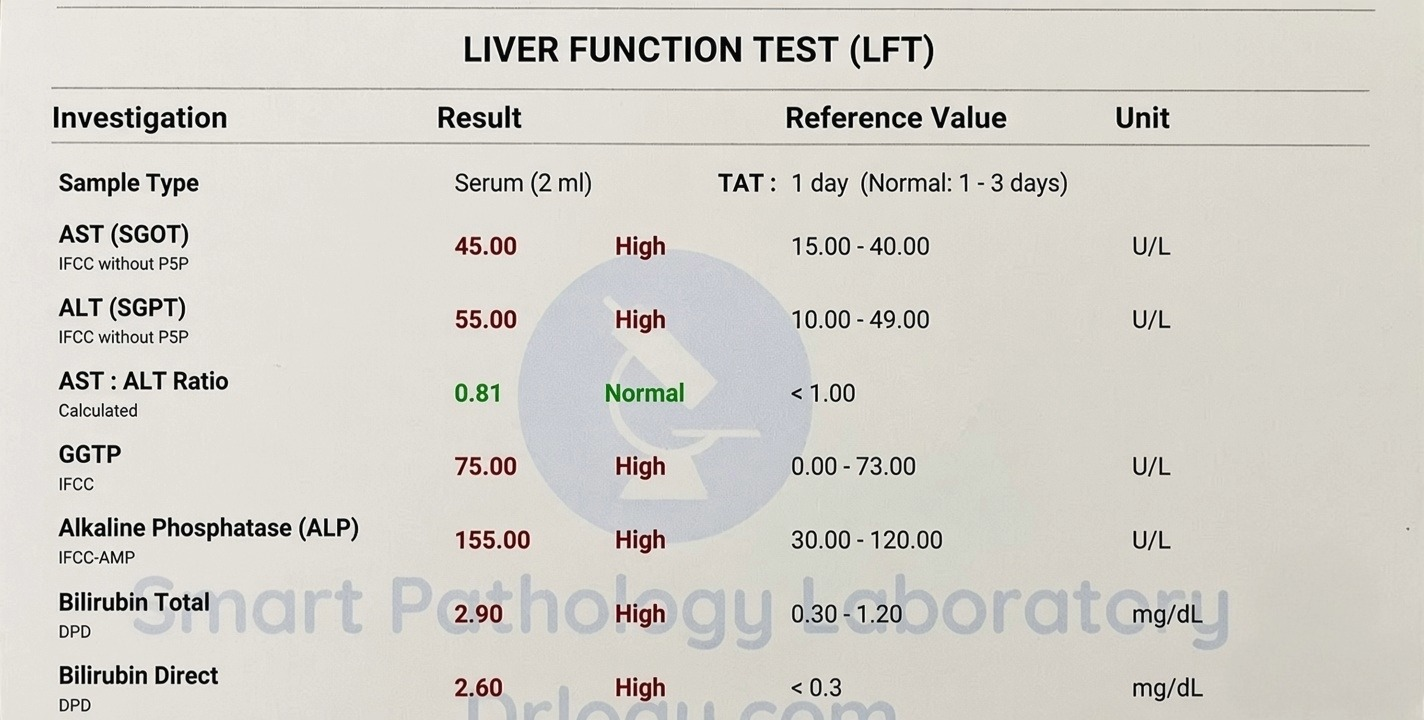
Fatty liver disease is one of the few serious conditions that is genuinely reversible if caught while it is still simple fat, before fibrosis sets in. A liver ultrasound and a basic metabolic panel, done proactively in your thirties or forties rather than after symptoms appear, tells you which decade you are in: the reversible one, or the one where damage has already started to set in.

Liver function test panel

I would rather have that conversation with a well-looking forty-year-old today than perform a transplant on them at fifty-five. The liver gave them fifteen years of warning. Most just never heard it.

02
Featured Article
Why Women Gain Weight Differently, And Lose It Differently Too

Why Women Gain Weight Differently, And Lose It Differently Too

By Dr. Vritti Loomba · Founder and CEO, BeyondAge Innovations

Why does one woman lose five kilograms while another, following the same diet, exercise programme and demonstrating equal commitment, lose only two? The answer is often attributed to willpower, discipline or motivation. More often, it lies in biology.

For decades, metabolic medicine was built around the male body. Laboratory studies predominantly used male animals, clinical trials enrolled more men, and recommendations for nutrition, exercise and even drug dosing were largely derived from male physiology before being extrapolated to women.

We now know that approach was scientifically incomplete. Women are biologically distinct, not only in reproductive function, but in body composition, endocrine signalling, substrate metabolism, immune function and energy regulation. In longevity medicine, recognising these differences is fundamental to precision care.

Female biology shapes metabolism

Women's bodies regulate energy differently from men's. Compared with men, women naturally carry a higher proportion of essential body fat to support reproductive function, pregnancy and lactation. Oestrogen favours fat storage within subcutaneous depots, particularly around the hips and thighs, while testosterone promotes greater skeletal muscle mass and higher energy expenditure in men.

Adipose tissue is not merely an energy reserve; it is an active endocrine organ that regulates inflammation, insulin sensitivity, cardiovascular health and numerous aspects of metabolic ageing. Before menopause, women predominantly accumulate subcutaneous adipose tissue around the hips, thighs and gluteal region, whereas men accumulate proportionally more visceral adipose tissue surrounding the abdominal organs.

This distinction is clinically important. Visceral fat promotes insulin resistance, chronic low-grade inflammation, dyslipidaemia and cardiovascular disease. In contrast, gluteofemoral subcutaneous fat serves as a comparatively protective reservoir, limiting ectopic fat deposition in organs such as the liver and pancreas.

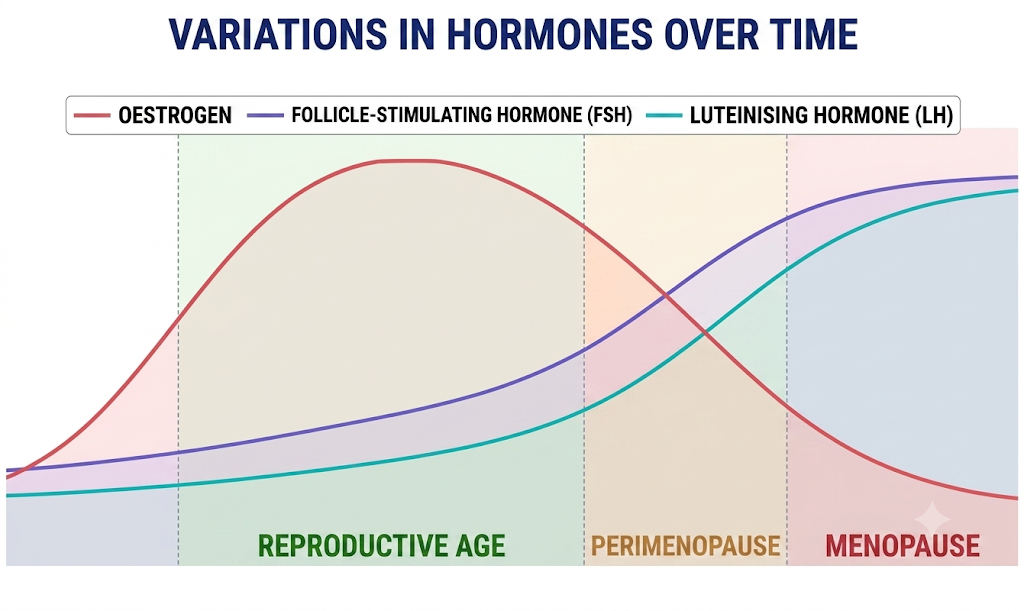
As oestrogen declines during menopause, fat redistributes from the hips and thighs towards the abdomen, increasing visceral adiposity and contributing to insulin resistance, metabolic syndrome, type 2 diabetes and cardiovascular disease. Women's cardiometabolic risk progressively approaches that of men, making menopause a critical window for preventive longevity care.

Why women often lose weight more slowly

Skeletal muscle is one of the body's most metabolically active tissues and the principal site of glucose disposal. Because women generally have less skeletal muscle than men, largely due to differences in sex hormones, they also have a lower resting metabolic rate, even after accounting for body size. Consequently, when a man and a woman follow the same calorie deficit, the resulting energy deficit is often proportionally greater for the man, translating into faster weight loss.

Diagram showing variations in oestrogen, follicle-stimulating hormone, and luteinising hormone over the female reproductive lifespan

A 2015 systematic review in Obesity Reviews evaluated identical diet and exercise interventions in men and women. Across studies, men generally lost more weight over the same period. Importantly, women still achieved clinically meaningful weight loss together with significant improvements in metabolic health.

Interestingly, not every intervention produces the same sex-specific response. A 2025 meta-analysis in the Journal of Diabetes, pooling fourteen clinical trials of GLP-1 receptor agonists including semaglutide, found that women generally achieved greater weight loss than men, reinforcing that biological sex influences how different interventions interact with metabolism.

Clinical implications

Weight should never be interpreted in isolation from body composition and metabolic health. Improvements in visceral adiposity, skeletal muscle, insulin sensitivity and inflammatory markers often precede substantial changes on the scale and are more meaningful indicators of long-term health. Preserving skeletal muscle through adequate protein intake and progressive resistance training is fundamental, particularly during midlife when women experience an accelerated decline in lean mass.

The BeyondAge perspective

For too long, women have been expected to fit metabolic models built around male physiology. At BeyondAge, our clinical philosophy is grounded in a simple principle: precision medicine begins with precision physiology. Biological sex is one of the most powerful determinants of body composition, hormonal regulation, metabolism and disease risk.

The science is now unequivocal: women are not smaller men. Their anatomy, physiology, endocrinology and biochemistry shape metabolism in fundamentally different ways. When we recognise these differences, we move beyond simply helping women lose weight, we help them age better. That, ultimately, is the promise of precision longevity medicine.

03
Ask the Experts
Ask the Experts

GLP-1s: The New Wonder Drugs for Weight Loss and Diabetes

Dr. Arvinder Soin & Dr. Ambrish Mithal answer the most searched questions on obesity medication and longevity

GLP-1 medicines are one of the biggest shifts in obesity treatment in years. They can help reduce hunger, support weight loss, and improve blood sugar, by mimicking a natural gut hormone that signals fullness to the brain, slows stomach emptying, and helps the pancreas manage blood sugar more efficiently.

Their benefits may extend beyond diabetes and weight loss to liver, heart and metabolic health. But they are not magic pills, and they are not for everyone. The important questions remain: How much weight can they really help you lose? Are the side effects manageable? Do the benefits last? What happens if you stop?

Dr. Arvinder Soin

Founder and Chairman, BeyondAge Innovations

Yes. In phase 3 trials, semaglutide resolved steatohepatitis (the fat-driven liver inflammation also known as MASH) without worsening scarring (fibrosis) in most patients, a result that led to FDA approval. This is not simply a side effect of weight loss. GLP-1 drugs act directly on the liver, calming inflammation and reducing fat buildup so the organ can begin to heal. The caveat: lasting improvement still depends on sustained lifestyle change alongside the medication.
The evidence strongly suggests yes. The SELECT trial found semaglutide lowered cardiovascular death by 20% in people with obesity, including those without diabetes and regardless of how much weight they lost. Broader data also link GLP-1 use to lower all-cause mortality. Weight loss is the visible entry point, but the deeper longevity benefit comes from protecting the heart, kidneys, liver, and metabolism together, as one connected system rather than separate targets.

Dr. Ambrish Mithal

Senior Advisor - Metabolic, Hormone & Longevity Medicine

In one year, average weight loss is 10–15% of body weight with semaglutide (Wegovy, Ozempic) and 20% or more with tirzepatide (Mounjaro). Most of that loss happens within the first six months, but these medications work best as a years-long commitment rather than a short course.

Results vary by patient. Around 10% of people are poor responders, losing less than 5% of their starting weight, and no single test reliably predicts who falls into that group beforehand. That said, a few patterns show up consistently, both in our own data and in the published literature:

  • Younger patients tend to respond better than older patients.
  • Patients with diabetes typically lose 50–60% as much weight as patients without diabetes, even though their blood sugar control (HbA1c) still improves substantially.
  • Patients who have already tried earlier-generation GLP-1 drugs, such as oral semaglutide, dulaglutide, or liraglutide, tend to see smaller additional losses.
  • Patients who follow the accompanying lifestyle and nutrition guidance closely lose more weight and tolerate the medication better.

Compounded versions of these drugs are not recommended, due to inconsistent dosing and a lack of standardisation. The same caution applies to other GLP-1 or related compounds still under clinical study that have shown up in compounded form; their exact contents can't be reliably verified. The recommendation is to use only tirzepatide as Mounjaro, and semaglutide either as the originator brand or an approved generic.

04
Inside the Longevity Lab
Latest Research

Inside the Longevity Lab

Breakthrough research studies shaping the future of healthspan

Here's how you can reverse Fatty Liver Without Medication

This study found that aerobic exercise cut liver fat by 24%; fibre-rich diet by 23%; combined intervention reduced it by 48%. The control group's liver fat increased by 21% over 8.5 months in 115 pre-diabetic adults with fatty liver disease.

If you're overweight with prediabetes or fatty liver disease, this study offers genuine hope. Combining regular aerobic exercise with increased fibre intake can reverse fatty liver accumulation, even without major weight loss. The key: start now. These lifestyle changes work better together than alone, and the earlier you implement them, the better your chances of preventing progression to diabetes or serious liver disease.

View Study

Source: Scientific Reports (2017)

Science Just Confirmed that Women on Weight-Loss Medications Lose More Weight than Men

Researchers reviewed 14 randomised controlled trials of GLP-1 medications to examine whether gender influenced weight loss outcomes. Women achieved approximately 1.69% greater reduction in body weight.

Women achieve greater weight loss on GLP-1 medications than men, and researchers have identified several reasons why. Because these medications are prescribed at fixed doses, women's typically lower body weight means they receive a higher concentration of the drug relative to their body size. Additionally, women may have enhanced biological sensitivity to appetite regulation pathways, potentially involving interactions between oestrogen and how the medication works in the brain. Understanding this biological advantage allows realistic goal-setting and clearer tracking of your progress.

View Study

Source: Journal of Diabetes (2025)

05
Curiosity Corner
Curiosity Corner

Longevity Myth Busters

Separating science from fiction in the quest for a longer, healthier life

Myths vs Facts
Myth

"A calorie is a calorie, the source doesn't matter for weight."

Fact

Not quite. While a calorie is a unit of energy, 200 calories of fibre-rich lentils and 200 calories of soft drink behave very differently once inside you. They feed different microbes, trigger different blood sugar and hormone responses, and affect satiety and inflammation in different ways. What you eat shapes how those calories are processed, not just how many there are.

Myth

"Obesity is simply a matter of willpower."

Fact

Body weight is regulated by a complex system of hormones, appetite signalling, sleep, stress, medications and the gut microbiome, much of it operating below conscious control. Willpower plays a part, but treating weight as a pure character issue ignores the biology driving hunger and fat storage, and rarely leads to lasting change.

Have a Myth to Bust?

What health or longevity myths have you heard? Share your questions with us and we'll feature them in future newsletters to help our community separate fact from fiction.

contactus@beyondage.health

Your curiosity drives our content

06
Longevity Play of the Day
Daily Action

Longevity Play of the Day

A simple, science-backed habit you can implement today

🌱The Plant Points Challenge

Pick one meal today and add a plant food you didn't already have on the plate: a handful of seeds on your salad, herbs stirred through your dal, or a different colored vegetable alongside dinner.

It sounds almost too small to matter. But every new plant brings different fibers and polyphenols, and that variety is exactly what your gut microbes thrive on. A richer, more diverse microbiome is associated with better appetite regulation, steadier blood sugar levels and lower inflammation: the quiet machinery that protects your healthspan.

One plate. One new plant. A small step towards supporting the ecosystem that helps keep your metabolism, and your healthy years, on track.

Want more longevity insights like this? Subscribe to our newsletter or invite a friend to subscribe.

Understanding the problem is only part of the solution.

Stay tuned for Part 2 of our Obesity and Healthspan newsletter series to learn the practical, evidence-backed steps that will actually help you move the needle on weight and healthspan.

Credits

Content and Design by Sakshi Ahluwalia

Nutrition Content by Monique Jhingon

For feedback or inquiries, reach out to us at

contactus@beyondage.health

NewsletterIssue 03
© 2026 Live BeyondAge. All rights reserved.