"You are already programming your biology every day. The question is whether you are doing
it
consciously."
Medicine has long focused on diagnosis and treatment: once symptoms appear, pathology is
identified, followed by interventions. That model is essential but limited when the goal is
to
preserve function before decline becomes visible in the form of symptoms.
Ageing begins long before disease crosses diagnostic thresholds: metabolic flexibility
reduces,
sleep becomes less restorative, recovery slows, inflammation increases, and muscle quality
changes. These shifts are gradual, often subclinical, and easy to dismiss as "normal." By
the
time disease is diagnosed, biology may have been drifting in the wrong direction for years.
This is where biohacking becomes clinically relevant. At its core, biohacking is the
deliberate
shaping of inputs that influence physiology, inputs that are simple enough: nutrition,
sleep,
movement, light exposure, thermal stress, circadian alignment, emotional stress, recovery,
social connection, and environment. Rather than just being habits, they actually regulate
biological function.
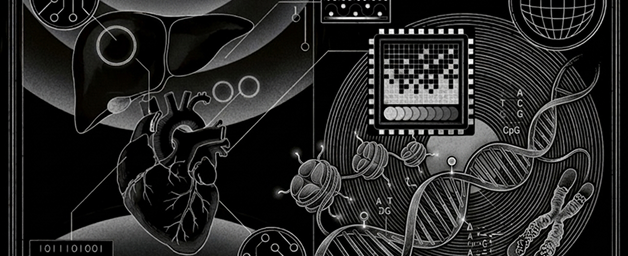
The key shift in thinking is that ageing is biological, not just chronological.
Chronological age moves predictably; biological age reflects how well our systems
function. The hallmarks of ageing, mitochondrial dysfunction, genomic instability,
impaired proteostasis, altered nutrient sensing, cellular senescence, stem cell
exhaustion, and chronic inflammation, show how tissues lose resilience over time
(Lopez-Otin et al., Cell, 2013; updated 2023).
Improving metabolic health, preserving muscle, reducing inflammation, supporting
mitochondria, or restoring sleep doesn't just treat symptoms, it may influence ageing
pathways directly.
Some of the most effective biohacks work quietly in the background of daily life.
Hydration at the right time, especially in the first hour after waking, improves
cellular function, circulation and cognitive performance. Managing blood sugar
spikes by
pairing carbohydrates with fibre, protein and healthy fats protects long term
metabolic
and vascular health. Supporting gut health through fermented foods and diverse plant
intake strengthens immunity, reduces inflammation and even influences mood and brain
function. Regular thermal exposure, whether through sauna or cold water exposure,
has
been shown to improve circulation, stress resilience and cardiovascular
adaptability.
Periodic digital detox through intentional screen free time protects sleep quality,
reduces cognitive overload and restores nervous system balance. Even posture and
breathing mechanics influence oxygen delivery, core stability and chronic pain
patterns
over time.
Perhaps the most revolutionary aspect of this new era is not biohacking itself. It
is
personalization.
Two people of the same age can have very different biological trajectories. One may
appear outwardly healthy while silently accumulating dysfunction. Another may be
preserving resilience far beyond what their chronological age would suggest.
This is why the future of health cannot rely on generic recommendations alone.
With modern diagnostics, using deeper biomarkers, longitudinal tracking, and a
function-focused lens, we can now identify shifts in metabolic health, inflammation,
nutrient status, hormonal balance, gut health, and organ function well before
conventional disease thresholds are crossed. Grounded in data, biohacking becomes
meaningful rather than trendy. That changes everything.
Every day, the body is receiving signals.
- A meal can either stabilize blood sugar or create metabolic stress.
- Sleep can either restore hormonal balance or amplify inflammation.
- Movement can improve mitochondrial efficiency, while prolonged inactivity
quietly
erodes it.
- Chronic stress, disrupted circadian rhythm, poor breathing patterns, excessive
screen exposure all alter the body's internal chemistry over time.
They determine whether the body remains in a state of repair, adaptability, and
resilience, or begins to drift toward dysfunction, chronic inflammation, and
accelerated
ageing.
No single intervention dictates ageing. It's the cumulative effect of daily inputs:
Neglecting these systems accelerates decline; supporting them builds resilience.
While
nothing guarantees longevity, consistently optimizing these inputs shifts the
probability toward healthier ageing.
That is the real promise of biohacking, reframed not as a trend, but as a
science-led
pathway to better ageing.
 Dr. Vritti Loomba